


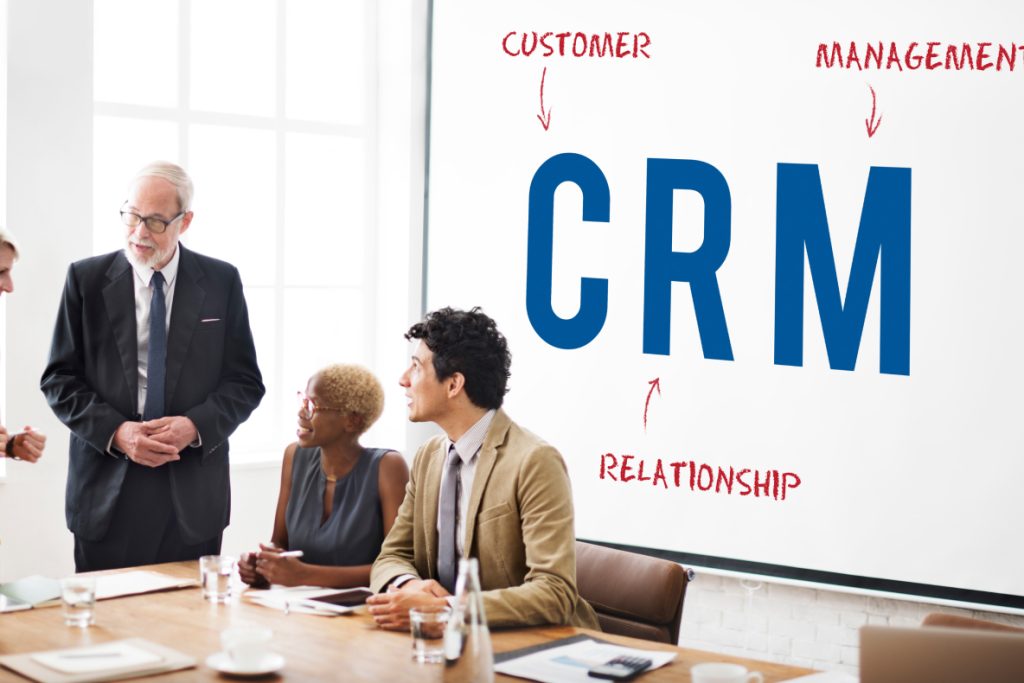
Customer relationships don’t end after the first conversation. Every interaction—from the first enquiry to the final sale and beyond—plays a role in shaping the customer experience.
As businesses grow, managing these interactions manually becomes increasingly difficult. Customer information gets scattered across emails, spreadsheets, and multiple tools, making it harder for sales teams to stay organized and deliver a consistent experience.
That’s where a Customer Relationship Management (CRM) system becomes valuable.
A CRM is much more than a place to store customer information. It helps businesses organize sales activities, improve customer engagement, automate routine tasks, and make better business decisions.
In this blog, we’ll explore the key elements of CRM and why each one is important for building stronger customer relationships.
What Is CRM?
Customer Relationship Management (CRM) is a strategy supported by technology that helps businesses manage interactions with prospects and customers throughout the entire customer lifecycle.
A CRM system centralizes customer information, tracks sales activities, and provides teams with complete visibility into every opportunity.
The goal is simple: build stronger relationships while improving sales efficiency and customer satisfaction.
1. Lead Management
Every customer starts as a lead.
Lead management is one of the most important elements of a CRM because it helps businesses capture, organize, and track potential customers from their first interaction.
An effective CRM allows businesses to:
- Capture leads from multiple sources
- Assign leads to the right sales representative
- Track follow-ups
- Monitor lead status
- Prevent opportunities from being missed
A structured lead management process improves response times and increases conversion rates.
2. Contact and Account Management
As customer relationships grow, so does the amount of information associated with them.
A CRM keeps all customer information in one place, including:
- Contact details
- Company information
- Communication history
- Meeting notes
- Purchase history
This gives every team member access to the same up-to-date information, improving collaboration and customer service.
3. Opportunity and Deal Management
Managing opportunities effectively is essential for maintaining a healthy sales pipeline.
CRM systems help sales teams:
- Track deals through different sales stages
- Monitor expected revenue
- Prioritize opportunities
- Identify stalled deals
- Forecast future sales
This gives sales managers greater visibility into pipeline performance and helps teams focus on the right opportunities.
4. Sales Automation
Manual administrative work often takes valuable time away from selling.
CRM software automates repetitive activities such as:
- Follow-up reminders
- Task assignments
- Email notifications
- Workflow approvals
- Activity tracking
Automation improves productivity while ensuring no important customer interaction is overlooked.
5. Communication Tracking
Customer conversations happen across multiple channels.
A CRM records communication history including:
- Emails
- Calls
- Meetings
- Notes
- Follow-up activities
Having a complete communication timeline helps sales teams provide more personalized customer interactions.
6. Analytics and Reporting
Good decisions require accurate data.
CRM reporting helps businesses understand:
- Lead conversion rates
- Sales performance
- Pipeline health
- Revenue trends
- Customer acquisition performance
Instead of relying on assumptions, managers can make decisions based on real business insights.
7. Workflow Management
Every organization has its own sales process.
CRM systems allow businesses to standardize workflows for:
- Lead qualification
- Opportunity management
- Customer approvals
- Contract processes
- Sales activities
Standardized processes improve consistency while reducing manual errors.
8. Contract Management
Once a deal is ready to move forward, managing contracts becomes critical.
Many modern CRM solutions include contract management features that help businesses:
- Store agreements securely
- Track contract status
- Monitor renewals
- Maintain version history
- Improve document accessibility
This reduces delays while improving compliance and visibility.
9. Customer Insights
A CRM doesn’t just store customer information—it helps businesses understand customer behavior.
By analyzing customer interactions, businesses can identify:
- Buying patterns
- Customer preferences
- High-value customers
- Sales opportunities
- Engagement trends
These insights support better sales and customer retention strategies.
Why These Elements Matter
Each CRM element contributes to a more organized and efficient sales process.
Together, they help businesses:
- Improve lead management
- Increase sales visibility
- Strengthen customer relationships
- Reduce manual work
- Improve collaboration
- Make faster, data-driven decisions
Rather than working with disconnected information, every team has access to the same customer data.
Choosing the Right CRM
When evaluating a CRM solution, look beyond basic contact management.
An effective CRM should provide:
- Lead Management
- Accounts & Contact Management
- Deals & Opportunities
- Contract Management
- Analytics & Reporting
- Workflow Automation
- Integration with existing business systems
The right CRM should not only help manage customer relationships today but also support your business as it grows.
Conclusion
The elements of CRM work together to create a more structured, efficient, and customer-focused sales process. From lead management and opportunity tracking to contract management and analytics, each component helps businesses improve visibility, strengthen customer relationships, and drive better business outcomes.
For organizations looking to simplify customer management, NexGn CRM brings together Lead Management, Accounts & Contacts, Deals & Opportunities, Contract Management, and Analytics in one connected platform. By giving sales teams complete visibility into every customer interaction, NexGn CRM helps businesses manage opportunities more effectively, improve collaboration, and build stronger customer relationships as they grow.


